
Two-Phase Treatment
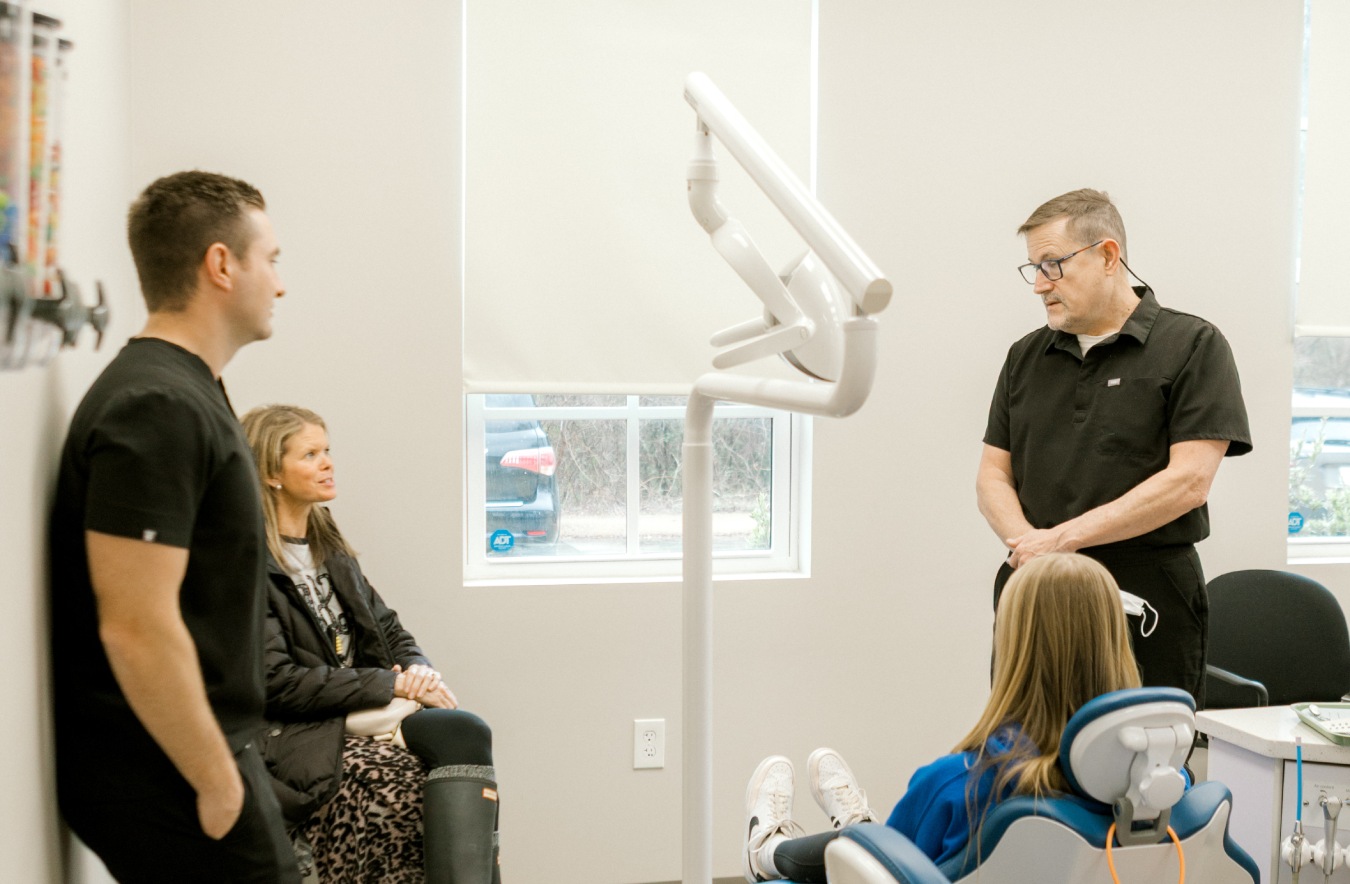
Some kids benefit from treatment in two separate stages rather than one. Phase One usually starts between ages 7 and 10, while a child still has a mix of baby and adult teeth and their jaw is actively growing. During this stage, we might use an expander to widen a narrow upper jaw, guide crowded teeth into better positions, or correct a crossbite, overbite, or underbite while there’s still growth to work with. Catching and addressing these issues early can mean the difference between a straightforward fix now and a much more complicated correction later, once the jaw has finished developing.
After Phase One wraps up, there’s a resting period — sometimes a couple of years — where we simply monitor as the remaining adult teeth erupt on their own timeline. Nothing dramatic happens during this stage; we just check in periodically to make sure everything is progressing the way we expect. Phase Two begins once all the adult teeth have come in, and typically means braces or Invisalign to fine-tune the bite and alignment into its final result. Not every child needs two-phase treatment — many do just as well waiting for one comprehensive round of treatment — but for the right case, starting early can mean a shorter, simpler Phase Two, or heading off a problem that would have been significantly harder to correct after the jaw stops growing.
Indirect Bonding
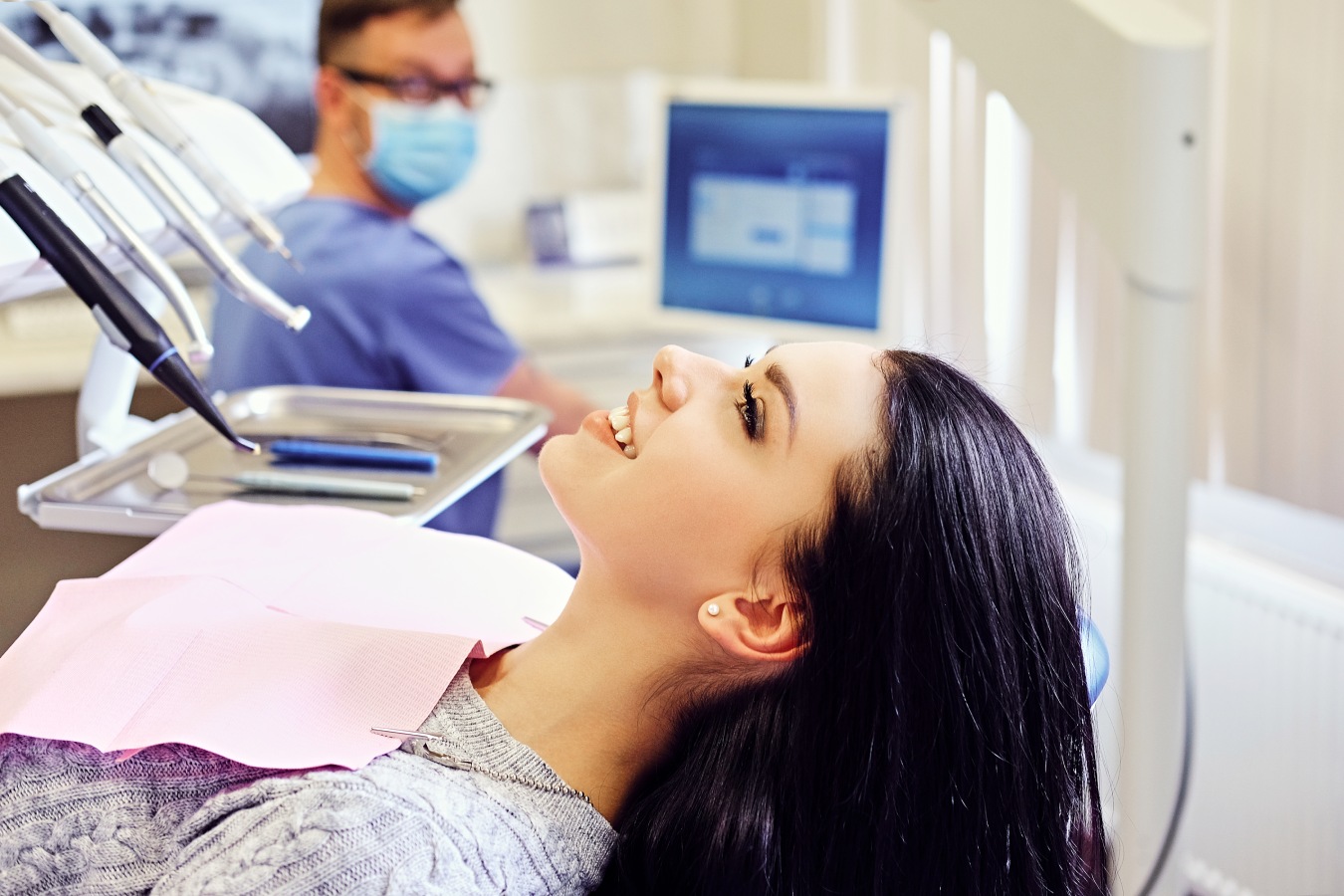
Indirect bonding is a more precise way of placing braces, and it starts before you ever sit in the chair. Using a digital scan of your teeth, we map out the exact ideal position for every single bracket ahead of time — accounting for the size, shape, and angle of each tooth — rather than eyeballing placement one bracket at a time with you in the chair. That plan is then used to create a custom-fitted tray that holds every bracket in its precise, pre-mapped position.
At your appointment, we simply seat that tray over your teeth, which transfers all of your brackets into place at once, cure them, and remove the tray — turning what’s traditionally a long, tedious process into a fraction of the chair time. Beyond speed and comfort, the real advantage is accuracy: brackets placed exactly where they need to be from day one mean your teeth start moving in the right direction immediately, with fewer mid-treatment adjustments needed to correct bracket position later. For patients, that often adds up to a smoother, more efficient treatment overall — not just a faster first appointment.