
Types of Braces
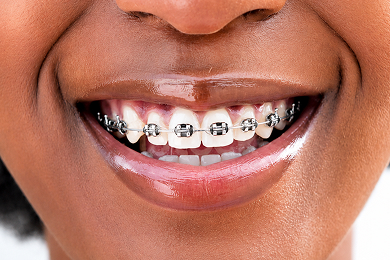
Every smile is different, which is why we offer more than one way to get there. Traditional metal, ceramic, clear, and Iconix champagne braces all use the same trusted bracket-and-wire approach to move teeth — what changes is how visible you want treatment to be, and your budget. We’ll help you find the right fit at your free consultation.


Braces For Kids
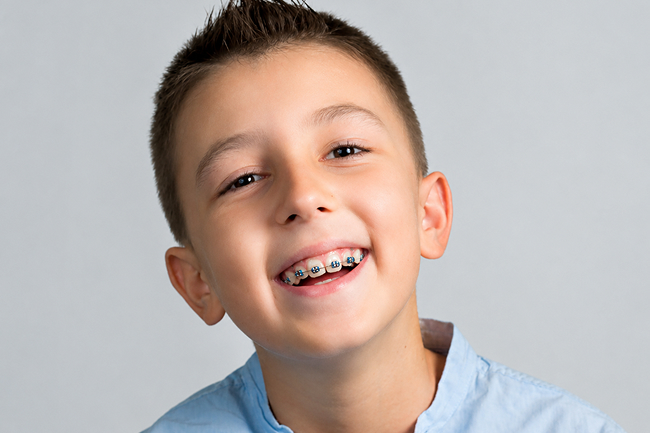
The American Association of Orthodontists recommends a first orthodontic evaluation by age 7 — not because every child needs braces that young, but because early evaluation lets us catch and guide jaw growth and emerging bite issues while there’s still time to make a real difference. At that age, kids still have a mix of baby and adult teeth, and patterns in how the jaw is developing are becoming clear. Sometimes that first visit means we start treatment early. More often, it means we simply watch and wait for the right moment, so nothing catches you off guard later.
For kids who do need braces, treatment works quietly in the background while they keep being kids — playing sports, going to school, and growing up. We know first-visit nerves are real for little ones, so we explain each step before we do it, keep the environment relaxed, and let them ask as many questions as they want. Picking colored elastic ties at each visit turns a checkup into something they actually look forward to. We also offer same-day starts, so families aren’t stuck waiting weeks between that first evaluation and getting going, and we try to group siblings together whenever we can so you’re not making separate trips for every child.

Braces For Teens
The teen years come with a lot going on, and braces shouldn’t add stress to the mix. Traditional and ceramic braces both hold up well to sports, band, and everything else a busy teenager is juggling, and they work around the clock without depending on remembering to wear anything — which matters for a stage of life where consistency isn’t always a teen’s strong suit. Teens can also express a little personality along the way, choosing team colors, holiday combinations, or whatever color just feels like them at that visit.
We schedule with real school and activity calendars in mind, and we try hard to keep appointments from eating into class time or practice. We’re upfront with teens themselves about what’s happening to their smile and why it matters, not just with the parent in the room, because we’ve found that teens who understand their own treatment tend to take better care of it. If a teen is weighing braces against Invisalign — say, for band, wrestling, or senior pictures — we’ll look at their case honestly and help them and their parents land on the option that actually fits their life, not just what’s trendy.

Braces For Adults
It’s never too late to get the smile you’ve thought about for years. More adults than ever are choosing braces, whether they never had treatment as a kid, their teeth have shifted with age, or they simply want to fix something that’s bothered them for a while. Ceramic and clear braces are especially popular with adults who want effective, predictable results without drawing attention to their treatment in the workplace, in meetings, or on camera. Because adult bites and jaws are done growing, treatment is sometimes more involved than it would have been in childhood — but that just means a thoughtful plan matters even more, not that a straighter smile is out of reach.
We keep the process straightforward from the first visit: a clear fee quote, flexible payment plans, and a team that treats you like an adult making a decision for yourself, not a kid being brought in by a parent. Many of our adult patients tell us their biggest hesitation was feeling like they’d “waited too long” — and every one of them has been glad they finally went ahead. Whether you’re doing this for your health, your confidence, or simply because you can now that the kids are grown, you’ll get the same honest, unhurried consultation as anyone walking through our doors.